

How to Mix Wood Tones Like a Designer
And Why You Should Never Design with Just One
There is one mistake we see over and over again.
A coffee table that matches the floors.
That matches the console table.
That matches the end tables.
That matches the bookshelf.

It feels safe. It feels coordinated. It feels like it should work.
And yet… it always falls flat.
When every wood tone in a room is identical, the space becomes one dimensional. It loses movement. It loses depth. It starts to feel more like a furniture store showroom set than a thoughtfully layered home.
If you want a space to feel curated and refined you cannot use just one wood tone.
You need contrast, variation, and intention.

Notice the difference? Here is exactly how to do it.
Rule One: Start with the Right Proportion.
One of the most foundational principles in design is proportion.
When we mix paint colors in a room, we do not give them equal weight. One color leads. Another supports it. Maybe a third shows up in small accents.
The same goes for mixing metals. If brass, bronze, and polished nickel are all used equally, the room feels chaotic. But when one metal dominates and the others support it, everything feels intentional.
Wood works the exact same way.
It needs hierarchy.
There are two simple ways to approach this.
The 60%–40% Approach (Simplest Method)
60% dominant wood
40% supporting wood
This is the easiest way to mix wood tones. One species clearly leads the room. The second supports it. Clean and balanced.
The 60%–30%–10% Approach (More Layered)
60% dominant
30% supporting
10% accent
This method introduces a third wood tone in a smaller amount. It adds more depth and nuance, but it still feels controlled because the hierarchy is clear.
Your dominant wood is usually the largest surface. Floors. Built-ins. Cabinetry.
Your supporting wood might be a dining table or bed frame.
Your accent wood shows up in smaller moments. Stools. Picture frames. Shelving. A vintage chest collected on a trip.
We aim for at least two to three different species per room.
Not random. Not chaotic. Just layered.
Rule Two: Do Not Match the Color. Match the Undertone.
This is the most important rule.
You are not trying to match stain depth.
You are matching undertone.
There are only two undertone categories wood falls into:
- Warm
- Cool
Once you identify undertone correctly, mixing becomes simple.
Warm Wood Tones
Warm woods carry golden, amber, or red undertones.
You will often see them described online as:
Honey
Golden
Amber
Caramel
Chestnut
Cinnamon
Copper
Toasted
Burnished
Tawny
Auburn
Spiced
Rich
Warm Wood Species in Their Natural State
Pine
Cedar
Red Oak
European Walnut
Teak
Mahogany
Cherry
Even without stain, these woods lean warm.
Cool Wood Tones
Cool woods feel softer and less golden. They may appear pale, muted, or slightly smoky.
Not necessarily gray. Just less red. Less amber.
Common descriptions include:
Ashy
Smoked
Driftwood
Weathered
Bleached
Whitewashed
Pale
Raw
Nordic
Muted
Stone-washed
Cool Wood Species in Their Natural State
Ash
Poplar
Maple
Birch
Sycamore
These species naturally read cooler before stain is applied.
The Two Woods That Work With Everything
There are two species we consider incredibly flexible.
White Oak
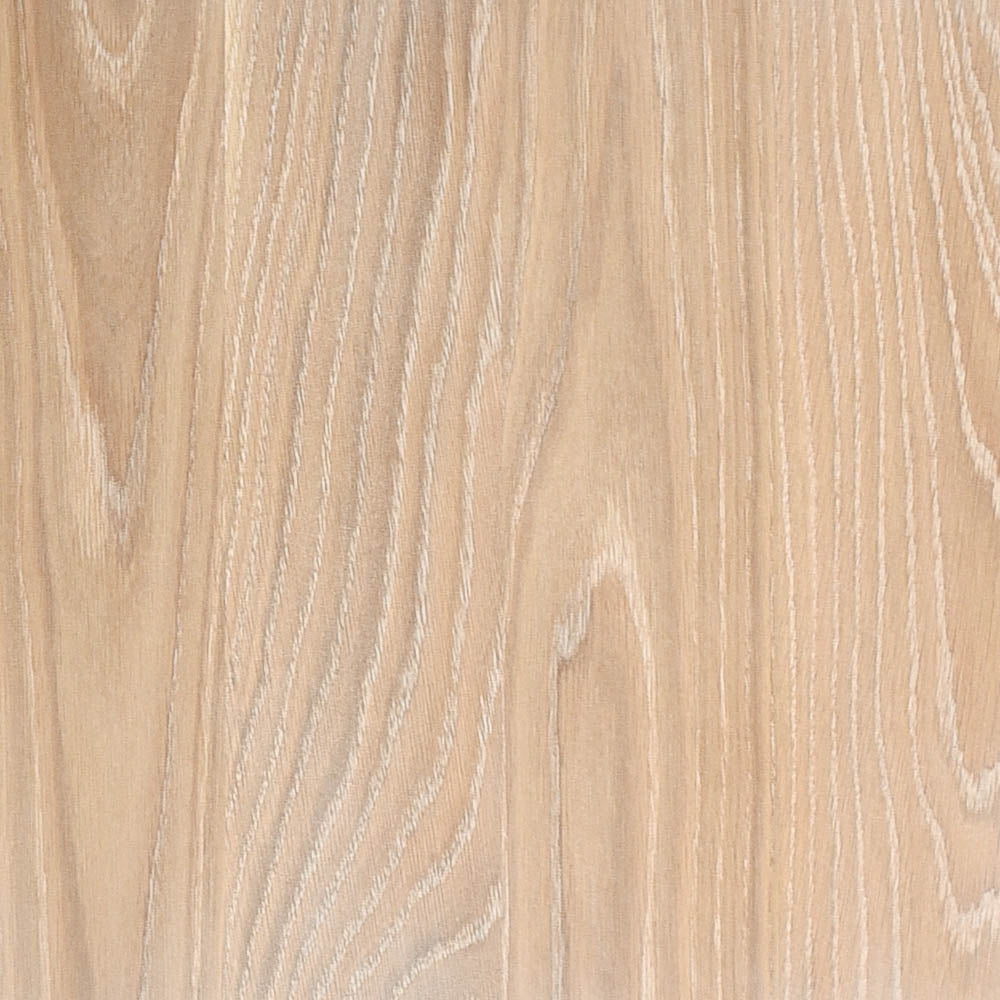
American Black Walnut

White oak can lean warm or cool depending on finish.
American black walnut carries richness without strong red undertones, allowing it to pair beautifully with both warm and cool palettes.
They work in traditional homes. They work in modern homes. They work in transitional spaces. They mix beautifully with antique pieces and contemporary silhouettes alike.
One of our personal favorite combinations is pale oak, black walnut, and teak. It feels grounded, layered, and intentional.
A Note on Stains: The Same Stain Color Will Not Look the Same on Different Types of Wood Species
This is where many homeowners get frustrated.
The same stain will look completely different depending on:
The wood species
The grain pattern
The density
The porosity
The natural undertone
Never choose a stain based on a tiny printed sample. Always test it on the exact species you are using.
Our Favorite Stains and How They Behave
Minwax Early American
Early American is a warm medium brown with soft amber undertones.
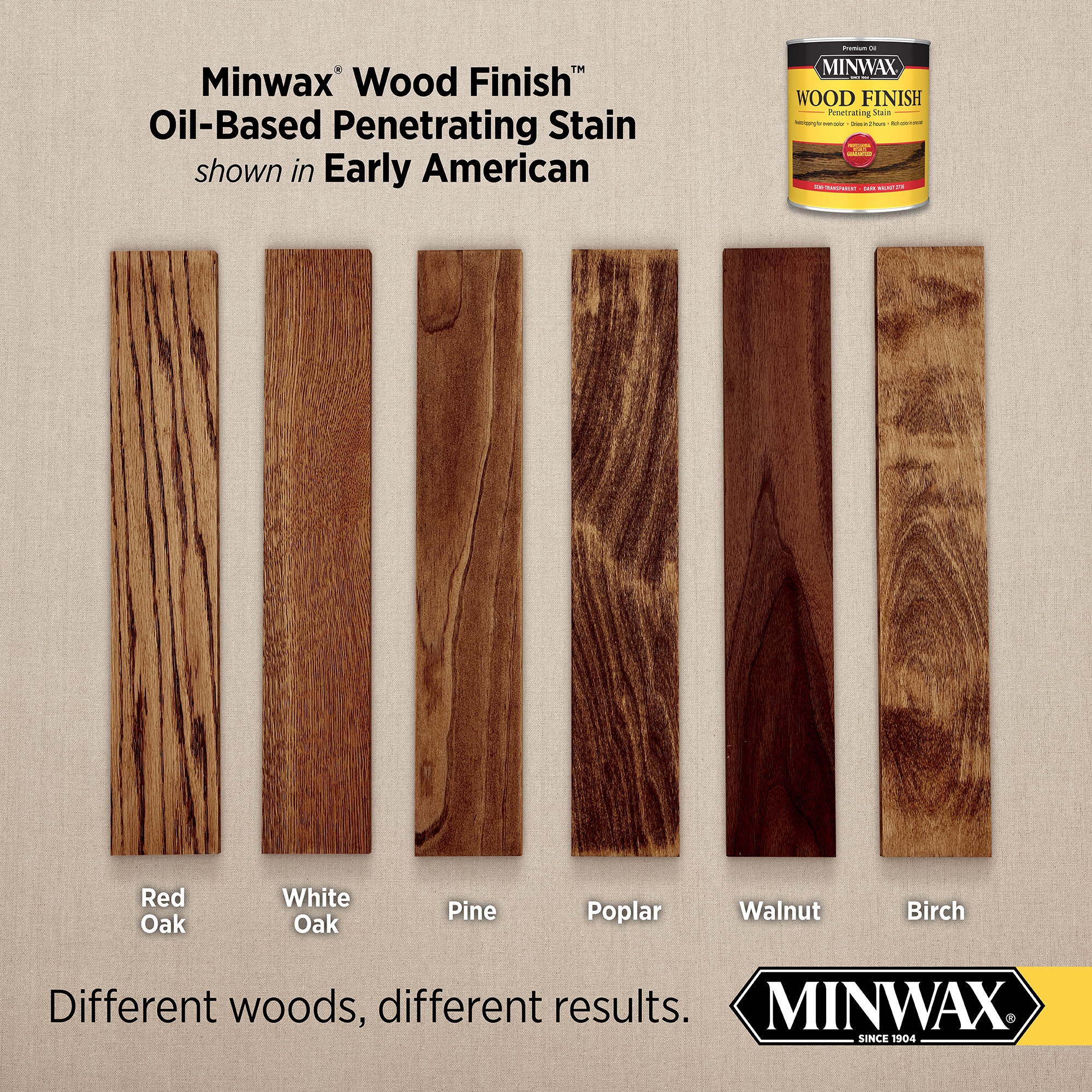
On pine it pulls warmer and slightly golden.
On red oak it deepens and highlights the grain beautifully.
On maple it can appear slightly blotchy without conditioner.
On birch it reads softer and more even.
Minwax Special Walnut
Special Walnut is slightly more neutral and a touch cooler.
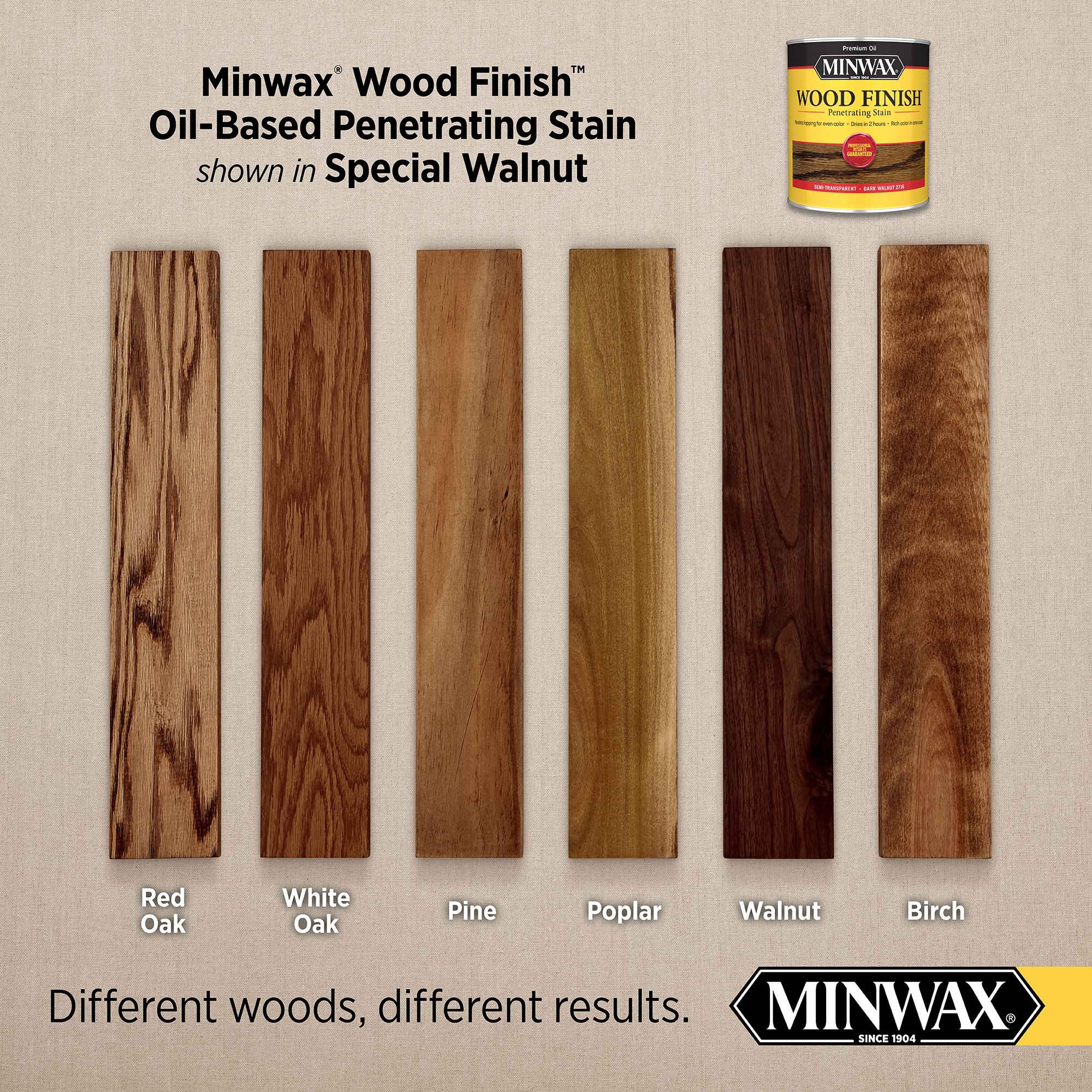
On pine it tones down warmth.
On red oak it feels classic and balanced.
On maple it appears smoother and more consistent than warmer stains.
On birch it reads clean and understated.
Always sample. Always compare in the actual lighting of the space.
How This Looks in a Real Room
Imagine:
White oak floors as your dominant wood.
A black walnut dining table as your supporting wood.
Teak stools as your accent.
Three species.
Related undertones.
Clear hierarchy.
The result feels curated rather than coordinated. Layered rather than matchy-matchy. Personal rather than purchased as a set.
That is the difference.
The Adorn Interiors Perspective
We rarely design a space where every wood tone matches. In fact, we intentionally avoid it.
Homes that feel collected over time always contain variation. A vintage chest beside a new bed. A dark antique table against lighter flooring. A warm accent layered into a cooler foundation.
Mixing wood tones is not about breaking rules. It is about understanding them well enough to create depth.
When done correctly, wood variation adds warmth, movement, and richness without visual noise.
That is how a room begins to feel timeless.